Christmas Floral Frame Clipart Review
As someone who has spent years turning digital files into tangible, stitched treasures for clients and craft fairs, I approach every new asset with a mix of excitement and skepticism. When Christmas Floral Frame Clipart landed on my desk, I didn't just look at the image; I immediately started visualizing how it would behave under the needle. This isn't just another pretty picture for your scrapbook or social media post. It is a potential cornerstone for your next holiday collection, but like any good design tool, its value depends entirely on how you deploy it in the real world.
The First Stitch: Visual Mood and Layout
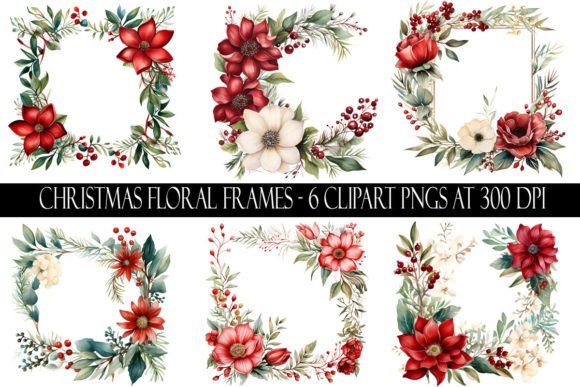
The first thing that strikes me about this piece is its inherent warmth. A frame design is never just a border; it is a container for emotion. The floral motif suggests a classic, perhaps slightly rustic holiday aesthetic rather than a hyper-modern or neon trend. It feels inviting, perfect for the cozy atmosphere we want to cultivate in our handmade shops. The layout creates a natural focal point, which is crucial when you are designing for products like personalized gifts where the customer's name or a specific message needs to sit comfortably within the composition.
In terms of visual personality, this design leans towards elegance. It avoids being overly cluttered, which is a common pitfall in holiday graphics. However, as an experienced reviewer, I know that what looks clean on a screen can become a nightmare in thread form. The curves of the flowers need to translate well into satin stitches, and the negative space must be sufficient to prevent the fabric from bunching up during the embroidery process. For now, the balance seems promising for creating a finished product that feels professional and polished.
Real-World Application: From Screen to Tote Bag
Let's imagine a concrete scenario. You are preparing for the upcoming holiday season and have a rush order for a boutique owner who wants custom embroidered tote bags for their customers. They need something festive but not overwhelming. This is where Christmas Floral Frame Clipart shines. Instead of a large, all-over print that might overwhelm a canvas bag, using this frame as a central motif allows for a sophisticated look.
I envision stitching this onto a heavy-duty cotton canvas tote, perhaps with a deep red or forest green background. The frame could enclose the boutique's logo or a cheerful "Happy Holidays" message. The result would be a high-value item that customers actually want to keep and reuse. Similarly, think about a sweatshirt embroidery project for a family reunion. Placing this frame on the left chest area offers a subtle nod to the season without looking like a costume. It elevates the garment from a basic hoodie to a cherished keepsake.
This versatility extends to baby items as well. A soft muslin blanket featuring this floral frame around a newborn's name would make for an incredibly sentimental gift. The gentle lines of the flowers soften the harshness often found in geometric designs, making it ideal for nursery decor or christening gowns. Whether you are an Etsy seller listing a batch of kitchen towels or a small shop owner creating branded aprons for staff, this design asset provides a consistent theme that ties your brand together visually.
Where to Proceed with Caution
While the potential is high, a responsible designer knows where the risks lie. Not every surface is suitable for every design. If you plan to use Christmas Floral Frame Clipart on a curved surface like a baseball cap, you must be extremely careful. Frames designed for flat surfaces can distort significantly when stretched over the curve of a hat, potentially warping the delicate flower details. In such cases, a smaller hoop size or a specialized cap frame is non-negotiable.
Texture is another factor that demands attention. Embroidering on a thick, nubby wool sweater or a highly textured burlap can cause fine details to get lost. The thread may not lay flat against the uneven fibers, leading to a muddy appearance where the intricate parts of the floral pattern disappear. Thin fabrics, especially stretchy knits used for t-shirts or baby onesies, present a different challenge. Without proper stabilizer support, the tension required to stitch the frame can pucker the fabric, ruining the drape of the final garment.
Dense stitch areas within the frame also require scrutiny. If the design relies heavily on fill stitches in a tight cluster, it can create a stiff, board-like texture that is uncomfortable to wear or handle. This is particularly problematic for items that will be washed frequently, such as dish towels or children's clothing. Over time, excessive density can lead to thread breakage or fabric damage. Always inspect the design for these dense spots before committing to a production run.
Design Notes for the Practical Maker
To ensure your embroidery project succeeds, you cannot simply load the file and hit start. There are critical steps you must take to guarantee quality. First and foremost, test the design on scrap fabric that matches your intended project material. This simple step reveals issues with thread tension, stabilizer choice, and color contrast that you won't see in a digital mockup.
Check your thread colors carefully. A design that looks vibrant in full color might lose its impact if the thread colors chosen do not provide enough contrast against the fabric. If you are working with dark fabric, consider using a lighter underlay or adjusting the thread palette to ensure the frame stands out. Conversely, on light fabrics, ensure the darker threads don't bleed or show through.
Review the stitch density and confirm the appropriate hoop size for your machine. If the design includes tiny lettering or very fine corners, verify that your machine can resolve these details accurately. Sometimes, what looks sharp on a monitor becomes a blur of thread on cloth. Using a running stitch for outlines instead of a satin stitch can sometimes save detail in tight spaces, so experiment with the settings.
Finally, always check the licensing terms before selling finished items. Just because you purchased a digital embroidery file does not automatically grant you the right to sell the physical products created from it. Some licenses restrict commercial use or limit the number of units you can produce. Confirm whether this is a commercial embroidery license or strictly for personal projects. Ignoring this step can lead to legal trouble down the line.
Final Thoughts on Value and Trust
Ultimately, the success of a handmade product comes down to trust. Customers buy from you because they believe in the quality of your work. A well-executed embroidery design like Christmas Floral Frame Clipart, when applied correctly, signals professionalism and care. It shows that you have taken the time to select assets that enhance the product rather than detract from it.
When done right, this design boosts the perceived value of your items. A tote bag with a crisp, well-stitched floral frame commands a higher price point than one with a generic, poorly aligned graphic. It enhances brand consistency, making your shop look cohesive and reliable. Whether you are creating a patch for a uniform, a decorative accent for a pillow cover, or a centerpiece for a holiday gift, the right design choices make all the difference.
By treating this asset with the respect it deserves—testing thoroughly, understanding the limitations of your materials, and focusing on the end-user experience—you transform a simple digital illustration into a valuable component of your creative business. The goal is not just to stitch a pattern, but to create a memory that lasts long after the holiday season ends.