Christmas Tree Printable Cards for Print Templates
In the fast-paced world of digital publishing, the first thing a reader notices is rarely the headline; it is the visual anchor that stops their scroll. As a blog designer and content publisher who has spent years refining editorial layouts and optimizing web performance, I have learned that high-quality design assets are the backbone of a trustworthy brand. Recently, I evaluated a specific collection titled Christmas Tree Printable Cards to see if it could seamlessly integrate into my seasonal content strategy. This review focuses on how this graphic design asset performs in real-world scenarios, from featured images to newsletter headers.
The Editorial Mood and First Impression
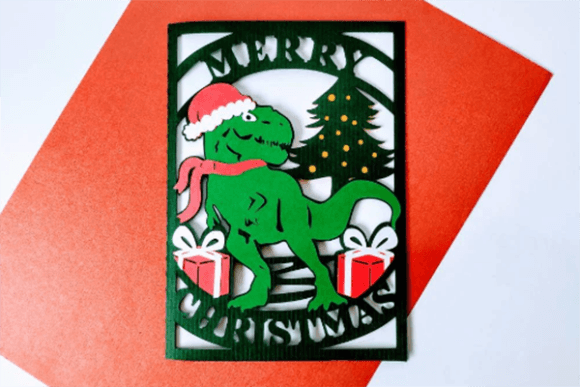
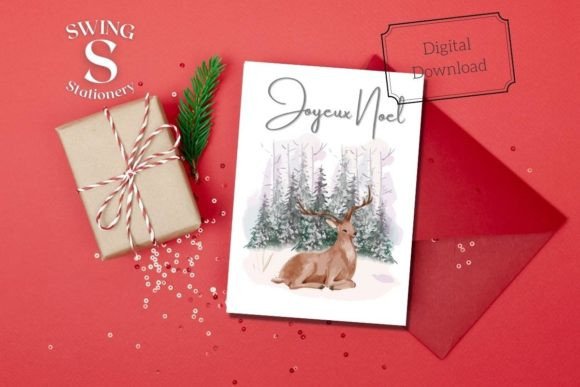
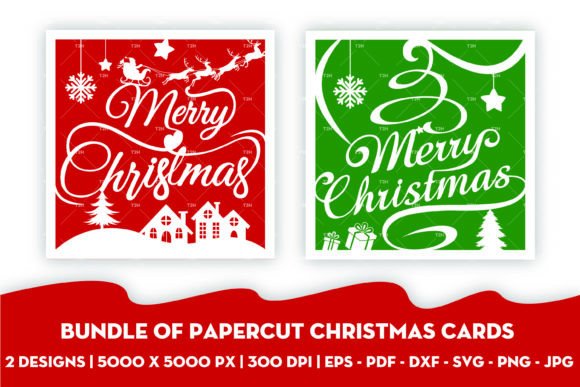
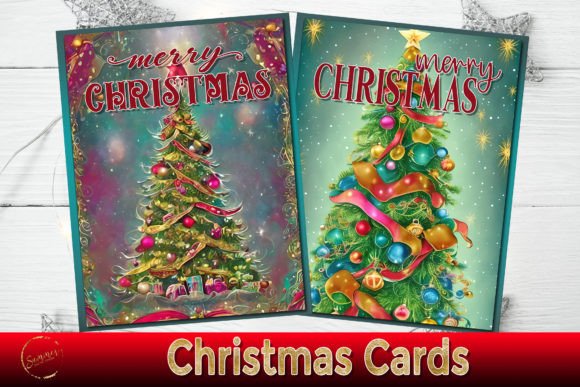
Upon opening the files, the immediate impression of the Christmas Tree Printable Cards was one of refined festivity. Unlike generic clip art that often feels cheap or overused, these designs possess a distinct editorial quality. They strike a balance between playful and professional, making them versatile enough for lifestyle blogs, educational platforms, and small business marketing materials. The aesthetic leans towards a modern, clean look with decorative touches that evoke warmth without overwhelming the viewer.
This mood creates an instant sense of anticipation and joy, which is crucial for seasonal content. When a visitor lands on a page featuring these graphics, they subconsciously perceive the content as curated and polished. It signals that the publisher cares about details, thereby increasing reader trust. Whether your niche is home decor, parenting, or financial planning during the holidays, this asset supports a visual identity that feels both festive and credible. It avoids being too childish, ensuring it remains appropriate for serious topics like holiday budgeting guides or corporate newsletters.
Integrating Design Assets into Publishing Workflows
For any digital marketer or affiliate marketer, efficiency is key. I tested these Christmas Tree Printable Cards across several critical areas of my content ecosystem. The versatility of the design allowed me to create cohesive blog graphics without needing to start from scratch every time. In a typical workflow, I used the cards as base layers for Pinterest pins, where visual hierarchy determines click-through rates. The layout provided ample negative space for adding compelling headlines, ensuring the text remained legible against the festive background.
Beyond social media, I integrated these assets into website headers and category thumbnails. A consistent visual theme helps users navigate a site more intuitively. By using the same Print Templates style across different pages, I established a stronger brand identity. For example, when creating a downloadable resource like a holiday checklist, the cover image needed to look premium. These cards served perfectly as a digital product cover, elevating the perceived value of the freebie. They also worked well as newsletter graphics, turning a standard email update into a visually engaging piece of content marketing.
Enhancing Performance and Trust
Visual consistency directly impacts user engagement metrics. Using a dedicated set of design assets like these ensures that every touchpoint—from a Google search result thumbnail to a paid ad—feels part of the same family. This repetition builds recognition. When readers see the familiar Christmas tree motif, they immediately associate it with the quality of content they expect from the publisher. This psychological connection can lead to longer session durations and higher conversion rates for affiliate links or digital sales.
The asset supports better visual hierarchy by guiding the eye toward the most important elements. In a busy web environment, a well-designed graphic acts as a pause button, allowing the reader to absorb the message before diving into the text. This is particularly effective for lead magnets and digital guides where the goal is to capture an email address. A professional-looking graphic suggests that the content inside is equally valuable.
Strategic Placement for Maximum Impact
Not all visuals perform equally in every context. Based on my testing, here is where the Christmas Tree Printable Cards shine brightest:
- Hero Images: The full-width banners at the top of landing pages benefit from the bold, artistic nature of the cards, setting the tone for the entire article.
- Pinterest Pins: The vertical aspect ratios and clear focal points make these ideal for driving traffic from Pinterest to the blog.
- Blog Graphics: Used within the body of posts to break up text and illustrate seasonal tips, keeping readers engaged.
- Editorial Accents: Small icons or borders that add a touch of holiday spirit to non-seasonal content without being distracting.
- Social Media Previews: Ensuring that shared links on Facebook or LinkedIn display a beautiful, relevant image increases shareability.
However, there are contexts where caution is required. If you are operating in a highly corporate or strictly professional niche, such as legal advice or medical journals, a decorative Christmas tree might feel out of place. Similarly, on mobile devices with small screens, intricate details can get lost. If the background is too busy, it may interfere with text readability, especially for users with visual impairments.
Practical Publisher Notes for Implementation
Before deploying any commercial design asset on a monetized website, a rigorous testing phase is essential. I recommend starting by previewing the Christmas Tree Printable Cards inside your actual CMS layout. Does it clash with your existing color palette? How does it look next to your chosen typography? Testing the graphic alongside serif fonts, sans-serif fonts, and even script styles will help you determine the best pairing for your brand voice.
Technical performance cannot be overlooked. Ensure the file size is optimized for the web. Large, uncompressed images can slow down page load times, which negatively affects SEO rankings and user experience. Use tools to compress the images properly before uploading them to your server. Additionally, always check the contrast ratio to ensure accessibility compliance. If the card is light-colored, test it on a dark background to see if the text remains readable.
Finally, verify the licensing terms. Most creative marketplaces offer different tiers of access. Confirm that you have a valid commercial license if you plan to use these images on affiliate pages, in paid courses, or as part of a product you sell. Using a personal license for commercial purposes can lead to legal issues down the road.
Conclusion for Creative Entrepreneurs
In summary, the Christmas Tree Printable Cards represent a high-value addition to any content creator's toolkit. They bridge the gap between simple clip art and custom illustration, offering a level of polish that enhances web design and editorial design efforts. Whether you are an online educator preparing a holiday course, a blogger writing about gift guides, or a small business owner launching a seasonal promotion, these assets provide the visual foundation needed to succeed.
By treating your visual content with the same care as your written copy, you elevate your entire platform. These cards allow you to maintain a consistent, professional, and inviting aesthetic throughout the holiday season. For publishers looking to improve their click-through potential and reader trust, investing in quality digital download resources is a strategic move that pays dividends in engagement and brand loyalty.