1950s Christmas Vintage Clip Art Review
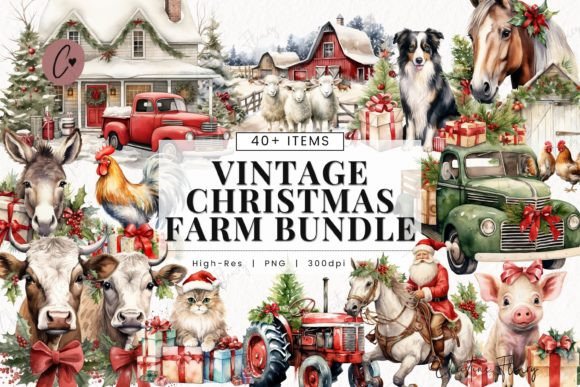
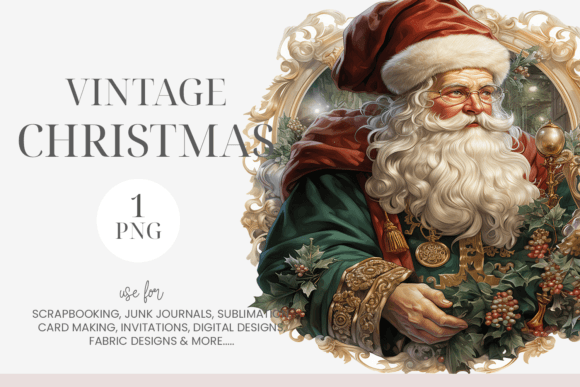
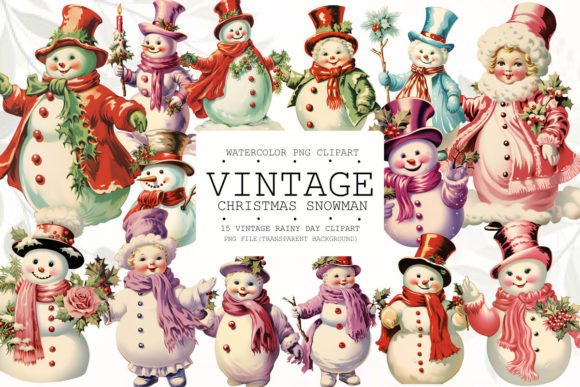
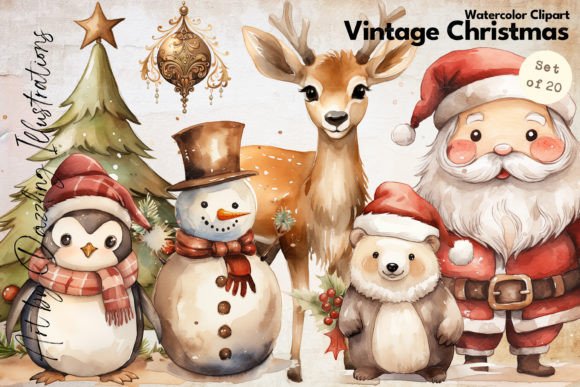
When I first opened the 1950s Christmas Vintage Clip Art file, my initial reaction was a wave of nostalgia that feels surprisingly fresh for today's market. As someone who has spent years evaluating digital assets for real-world embroidery projects, I know that a pretty image on a screen does not always translate to a beautiful stitched piece. However, this specific collection strikes a rare balance between retro charm and technical viability. The mood is warm, inviting, and distinctly mid-century, capturing that cozy, handcrafted aesthetic that customers are currently craving in their holiday decor and apparel.
The First Stitch: Visual Personality and Mood
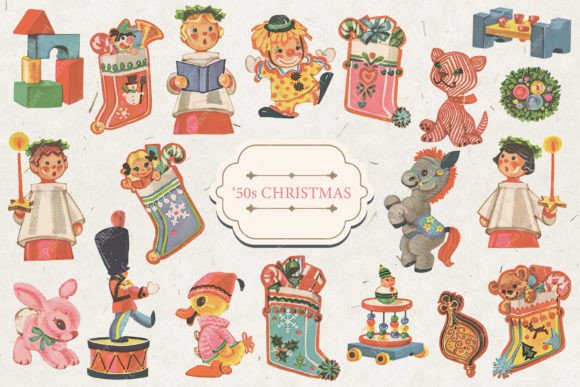
The visual personality of 1950s Christmas Vintage Clip Art is defined by its clean lines and playful composition. Unlike modern, hyper-detailed illustrations that often get lost in the texture of fabric, these designs rely on bold shapes and clear silhouettes. This is crucial because embroidery is an additive process; you are building up thread to create an image, and too much fine detail can result in a muddy mess. The clip art feels like it belongs in a classic holiday catalog, evoking feelings of family gatherings, old-fashioned ornaments, and nostalgic cheer. It creates a sense of timelessness that fits perfectly into boutique branding or personalized gifts where the goal is to make the recipient feel special and connected to tradition.
Real-World Application: From Screen to Stitch
I recently put 1950s Christmas Vintage Clip Art to the test while preparing a custom order for a local boutique owner. She needed a series of embroidered patches for her new line of holiday-themed tote bags. The challenge was to ensure the design held up under frequent use while maintaining that crisp vintage look. We selected a sturdy canvas fabric for the bags and used a medium-density satin stitch for the outlines to give the retro elements a raised, tactile quality.
The results were impressive. The design translated beautifully onto the heavy canvas, with the fill stitches creating a solid, durable surface that resisted fraying. Because the original illustration relies on distinct shapes rather than intricate shading, the stitching remained clear even on the curved handles of the tote bags. Customers at the craft fair immediately gravitated toward these items, noting how the "old-school" vibe made them stand out among the sea of modern, neon-colored merchandise. It proved that Illustrations with strong historical roots can drive significant engagement when applied correctly to handmade products.
Where This Design Shines Best
This embroidery file is particularly well-suited for a variety of commercial and personal applications. For small business owners and Etsy sellers looking to expand their holiday inventory, this asset is a goldmine. It works exceptionally well on:
- Custom Apparel: Sweatshirts and t-shirts benefit from the bold nature of the design, which stands out against cotton blends without overwhelming the garment.
- Baby Items: Soft baby clothes and nursery decor require gentle, non-overwhelming patterns. The whimsical 1950s style adds a touch of elegance that parents love for christening gifts or holiday cards.
- Kitchen Textiles: Aprons, tea towels, and kitchen curtains are natural homes for vintage clip art. The durability of the stitch pattern ensures they can withstand washing while retaining their festive charm.
- Holiday Gifts: Personalized stockings and pillow covers gain a unique character when featuring this specific retro aesthetic, making them perfect for high-end gift markets.
Whether you are creating an applique design or using standard satin and fill stitches, the layout of 1950s Christmas Vintage Clip Art allows for flexibility. You can scale it down for a chest logo on a cap or enlarge it for a statement piece on a blanket. The versatility makes it a valuable addition to any designer's library of design assets.
Cautions and Technical Considerations
While the design is robust, there are specific scenarios where caution is required. If you plan to use this on small hoop sizes, such as those found on baseball caps or wrist cuffs, you must be mindful of the density. While the lines are clear, cramming too much detail into a tiny space can cause the threads to bunch, ruining the crisp vintage look. Always check the recommended hoop size before finalizing your project.
Textured fabrics present another challenge. On thick, looped materials like heavy fleece or bouclé, the definition of the clip art may be slightly softened. Similarly, stretchy fabrics like jersey require careful stabilization to prevent puckering, which can distort the geometric precision of the 1950s style. Dark fabrics also demand attention; if the thread colors chosen do not have sufficient contrast against the background, the design will lose its impact. I strongly recommend testing the design in black and white mockups first to ensure the silhouette remains legible regardless of the color palette.
Impact on Product Value and Brand Trust
In the world of craft business and commercial embroidery, presentation is everything. A well-executed embroidery project using 1950s Christmas Vintage Clip Art signals professionalism and attention to detail. When customers see a finished product with clean stitches and a cohesive theme, their trust in the maker increases. This is vital for Etsy sellers and small shop products where competition is fierce. A high-quality finished product justifies a higher price point and encourages repeat purchases.
The nostalgic appeal of the design also enhances the emotional connection with the buyer. People buy handmade goods not just for utility but for the story behind them. This clip art tells a story of heritage and warmth, elevating a simple handmade product into a cherished keepsake. Whether it is a personalized gift for a grandmother or a boutique item for a holiday party, the design adds a layer of sophistication that generic prints simply cannot match.
Essential Designer Notes for Success
Before committing to a large production run, I advise all designers to follow a strict testing protocol. First, always test the design on scrap fabric that matches the intended final material. This helps you gauge how the stitch density interacts with the weave of the cloth. Second, review your thread colors carefully. The contrast between the thread and the fabric is what brings the digital embroidery file to life; poor color choices can flatten the image instantly.
Ensure you are using the proper stabilizer for the weight of your fabric. Under-stabilizing can lead to distortion, while over-stabilizing can make the fabric stiff and unnatural. Additionally, inspect the small details of the design closely. Sometimes, tiny elements that look fine on a monitor may disappear once stitched. Finally, confirm your licensing terms explicitly. If you intend to sell the finished product or use the embroidery design in a commercial capacity, you must have the correct permissions. Never assume a license covers both personal and commercial use without verifying the specifics.
By approaching 1950s Christmas Vintage Clip Art with these practical considerations in mind, you can transform a simple digital asset into a standout piece of art. It is a reminder that great embroidery is not just about the machine running; it is about the thoughtful planning and creative judgment that goes into every stitch.