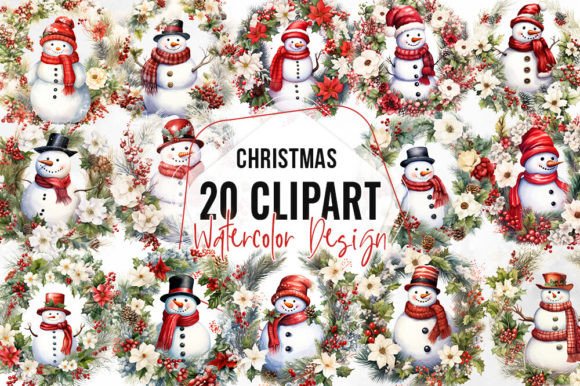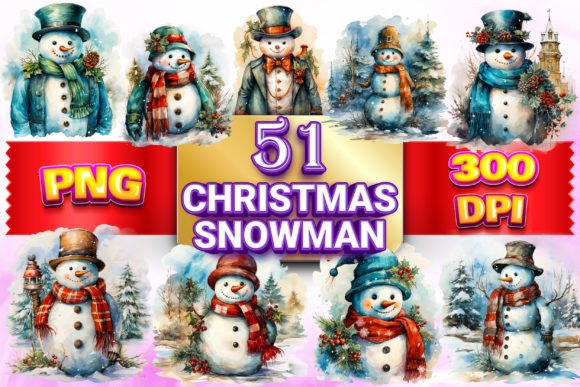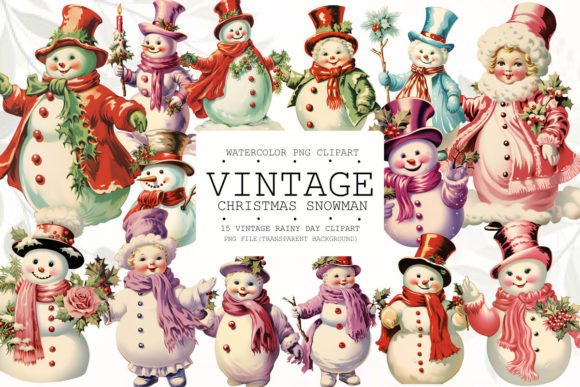
Vintage Christmas Snowman Clipart Review
As a designer who has spent years turning digital files into stitched reality, I approach every new asset with a mix of excitement and skepticism. When I first opened the Vintage Christmas Snowman Clipart, my immediate reaction wasn't about the festive cheer—it was about how this design would behave under the needle. In the world of machine embroidery, a pretty picture is only half the battle; the other half is whether it translates cleanly from screen to fabric without losing its soul.
This piece belongs to the Illustrations category, but for us stitchers, it is much more than a graphic. It carries a specific mood that feels nostalgic and cozy, perfect for the holiday season. The visual personality suggests a hand-drawn aesthetic that avoids the overly glossy look of modern vector art. Instead, it offers texture and character that can elevate a simple project into something that feels curated and intentional.
From Screen to Stitch: A Real-World Scenario
Let's talk about a real situation where I put this design to the test. Imagine you are an Etsy seller preparing inventory for the upcoming winter rush. You have decided to create a line of personalized holiday gifts, specifically focusing on custom embroidered tote bags and kitchen towels. You need a central motif that screams "home" and "tradition."
I took the Vintage Christmas Snowman Clipart and mocked up a design for a heavy cotton canvas tote bag. The first thing I noticed was how the lines held their shape. Unlike some clipart that relies on thin, delicate strokes which often disappear in satin stitch, this design has enough weight to stand up to the tension of the thread. When I ran a test stitch on a scrap of beige canvas, the snowman didn't look flat or muddy. The vintage style actually worked in our favor here, as the slightly rougher edges mimicked the natural imperfections of a handmade item, adding to the charm rather than detracting from it.
The result was a finished product that looked like it had been passed down through generations. Customers scrolling through your shop wouldn't just see a generic snowman; they would see a design with personality. This level of detail is crucial for building trust. When a buyer sees high-quality stitching on a small business product, they assume the entire brand is professional and reliable.
Where This Design Shines in Embroidery Projects
The versatility of Vintage Christmas Snowman Clipart makes it a strong candidate for a wide range of applications. Because of its balanced composition, it fits naturally onto custom apparel like sweatshirts and t-shirts without looking out of place. The vintage theme pairs exceptionally well with heathered fabrics or soft fleece materials often used in hoodies.
Beyond clothing, this design is ideal for home decor items. I envision it beautifully rendered on pillow covers or tea towels. The warm, nostalgic vibe of the snowman complements the rustic textures of linen or cotton blends found in kitchen linens. For craft fair products, placing this design on an apron could be a huge hit. It adds a touch of whimsy to a functional garment, making it a perfect gift for the baker or cook in your life.
If you are a maker selling baby items, this clipart is a safe and sweet choice. Baby clothes require designs that are gentle and not too aggressive. The rounded shapes and soft vintage feel of the snowman make it suitable for onesies or burp cloths. It also works well for nursery decor, perhaps as part of a larger seasonal display. For those creating digital product previews or printable mockups, having a design with this much character ensures your listings stand out in a crowded marketplace.
Challenges and Areas of Caution
However, no design is perfect for every situation, and as an experienced reviewer, I must highlight where you should exercise caution with Vintage Christmas Snowman Clipart. If you are working with small hoop sizes, such as those used for caps or hats, you need to be careful. While the design might look fine on a large tote, shrinking it down to fit a curved cap surface can cause issues with stitch density.
On curved surfaces, the thread tension changes, and tiny details can get lost. If the original clipart contains intricate corners or very small lettering, these elements may become indistinct when stitched on a small area. Furthermore, if you plan to use this on dark fabric, you will need to consider the background. A vintage snowman often implies white or light colors. Without a proper background fill or applique technique, the design might struggle to pop against a navy or black shirt. In these cases, using a contrasting stabilizer or a light underlay is essential to maintain clarity.
Textured fabrics can also pose a challenge. If you are embroidering on a thick wool sweater or a highly textured blanket, the stitches might sink into the pile, obscuring the fine lines of the snowman. Similarly, stretchy fabrics like jersey knit require a firm stabilizer to prevent puckering. If the design is too dense, the fabric might pucker around the edges, ruining the vintage aesthetic you are trying to achieve.
Practical Designer Notes for Success
To ensure your Vintage Christmas Snowman Clipart performs well in your final project, follow these practical steps. First, always test the design on scrap fabric before committing to your final product. This allows you to check thread color contrast and see how the stitch density interacts with your specific material. If you are unsure about the file format, verify that it is compatible with your embroidery machine and software.
Review the stitch types closely. Is it primarily satin stitch for outlines, or does it use fill stitch for the body? Understanding the construction helps you choose the right stabilizer. For a design like this, a cut-away stabilizer is often best for maintaining structure over time, especially for items that will be washed frequently. Inspect small details in your digitizing software to ensure nothing is too fine to stitch.
It is also wise to test the design in black and white mockups. Sometimes color can distract from structural issues, and seeing the design in grayscale helps you judge the balance of positive and negative space. Compare how it looks on both light and dark backgrounds to determine if you need to add a backing layer.
Finally, confirm your licensing terms. If you intend to sell finished items or distribute the digital embroidery file, you must ensure you have the commercial rights. Many designers overlook this step, leading to legal issues later. Check whether the license covers personal use only or extends to commercial projects. Whether you are a hobbyist making a gift or a small shop owner scaling up production, understanding the rules is just as important as the stitching itself.
Ultimately, Vintage Christmas Snowman Clipart offers a charming foundation for your next embroidery project. With the right preparation and attention to detail, it can transform a standard holiday item into a memorable, high-value product that customers will love. By treating the design with respect and testing it thoroughly, you ensure that your finished product reflects the quality and care you put into your craft business.